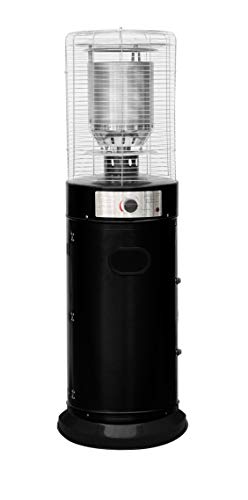
Buying Gas Radiant Heaters: A Comprehensive Guide
Gas radiant heaters have gotten popularity recently for their performance and ability to supply instant heat. As more homeowners and organizations search for methods to keep their spaces comfy, understanding the features, advantages, and factors to consider when acquiring these heating units can be really informative. This post looks into the complexities of gas radiant heaters, assisting possible purchasers in making informed choices.
What are Gas Radiant Heaters?
Gas radiant heaters are devices that use propane or gas to release heat straight into a room. Rather than heating the air, they warm items and people in their vicinity, providing convenience faster and efficiently. These heaters are popular for both indoor and outdoor settings due to their flexibility and efficiency.
Key Features of Gas Radiant Heaters
- Direct Heating: Unlike traditional heaters that warm the air, gas radiant heaters offer direct warmth, making them an efficient option for quickly warming up areas.
- Mobility: Many models are readily available as portable units, enabling them to be easily moved from one location to another.
- Fuel Variety: Gas radiant heaters can be powered by natural gas or propane, giving users versatility based on availability and choice.
- Adjustable Settings: Most gas radiant heaters featured adjustable heat settings, permitting users to tailor the level of heat based on their requirements.
Advantages of Gas Radiant Heaters
- Energy Efficiency: These heaters convert gas into heat efficiently, resulting in lower energy bills compared to electric heaters.
- Quick Heating: Radiant heat is felt almost instantly, making these heaters ideal for abrupt temperature level drops.
- Low Maintenance: Gas radiant heaters usually require less maintenance than electrical designs, making them a problem-free choice.
- Environmentally Friendly: When powered by clean natural gas, these heaters can be a more ecologically sustainable option compared to other heating techniques.
Types of Gas Radiant Heaters
When it pertains to choosing a gas radiant heater, it's necessary to understand the various types available. Below are the most typical options:
- Indoor Gas Radiant Heaters: Designed for indoor spaces, these heaters are typically vented or unvented and frequently come with integrated safety functions.
- Outdoor Gas Radiant Heaters: Commonly utilized in patio areas or outdoor dining locations, these heaters are created to stand up to the aspects.
- Wall-Mounted Gas Radiant Heaters: A space-saving alternative, these units are perfect for smaller spaces and can be outfitted with different heat outputs depending on the area's requirements.
- Freestanding Gas Radiant Heaters: These portable models can be utilized in different locations, ideal for those who need versatility.
Purchasing Guide: How to Choose the Right Gas Radiant Heater
When purchasing a gas radiant heater, numerous elements should be thought about to guarantee you pick the right model for your space:
1. Heating Capacity
- Measured in BTUs (British Thermal Units), the heater's capability figures out how much location it can successfully warm. Buyers must assess their particular requirements based upon room size.
| Room Size (sq feet) | Recommended BTUs (for Gas Radiant Heaters) |
|---|---|
| 100 - 200 | 5,000 - 10,000 BTUs |
| 200 - 400 | 10,000 - 20,000 BTUs |
| 400 - 600 | 20,000 - 30,000 BTUs |
| 600 - 800 | 30,000+ BTUs |
2. Type of Gas
- Think about whether you will be utilizing propane or gas, as different heaters cater to different fuel types.
3. Safety Features
- Search for models geared up with security functions such as automatic shut-off valves, tip-over protection, and oxygen exhaustion sensors.
4. Setup Requirements
- Some heaters may need expert installation, particularly vented designs. Be Outdoor Heating Products to think about the expenses and requirements connected with setup.
5. Mobility
- If versatility is important, think about portable designs that can be quickly moved from one area to another.
Installation and Maintenance
Gas radiant heaters are typically straightforward to set up, particularly portable designs. However, vented options may necessitate professional installation to ensure they fulfill regional security codes.
Upkeep typically involves:
- Regular cleansing to avoid dust buildup.
- Examining gas connections and fittings for leaks.
- Ensuring security features are practical.
Suggestion: Regular checks around the system can assist extend its life expectancy and maintain safety.
Regularly Asked Questions (FAQs)
Q1: Are gas radiant heaters safe for indoor use?A1: Yes
, as long as they are properly vented and equipped with necessary safety features, they can be safely used inside.
Q2: Can gas radiant heaters be utilized in enclosed spaces? Outdoor Heating Solutions : Unvented gas heaters can present threats in enclosed areas due to potential suffocation or carbon monoxide gas buildup. Constantly make sure adequate ventilation. Q3: How do I understand what size heater I need?A3: The suitable size depends on the area you mean to heat. Describe the BTU chart
above to determine your needs. Q4: What is the distinction between propane and natural gas heaters?A4: The main difference depends on their energy source
; propane is delivered through tanks, while natural gas is normally piped into homes. Q5: How can I take full advantage of efficiency?A5: Ensure the heater is properly sized for your space, preserve it routinely, and consider utilizing it in combination
with other heating techniques for maximum convenience. Gas radiant heaters can be a terrific addition to any home or service, offering energy-efficient and quick heating solutions. By comprehending the different types, features, and factors to consider
when buying, purchasers can make informed decisions that meet their heating requires. With the right choice, these heaters offer convenience, dependability, and an inviting environment during chillier seasons.